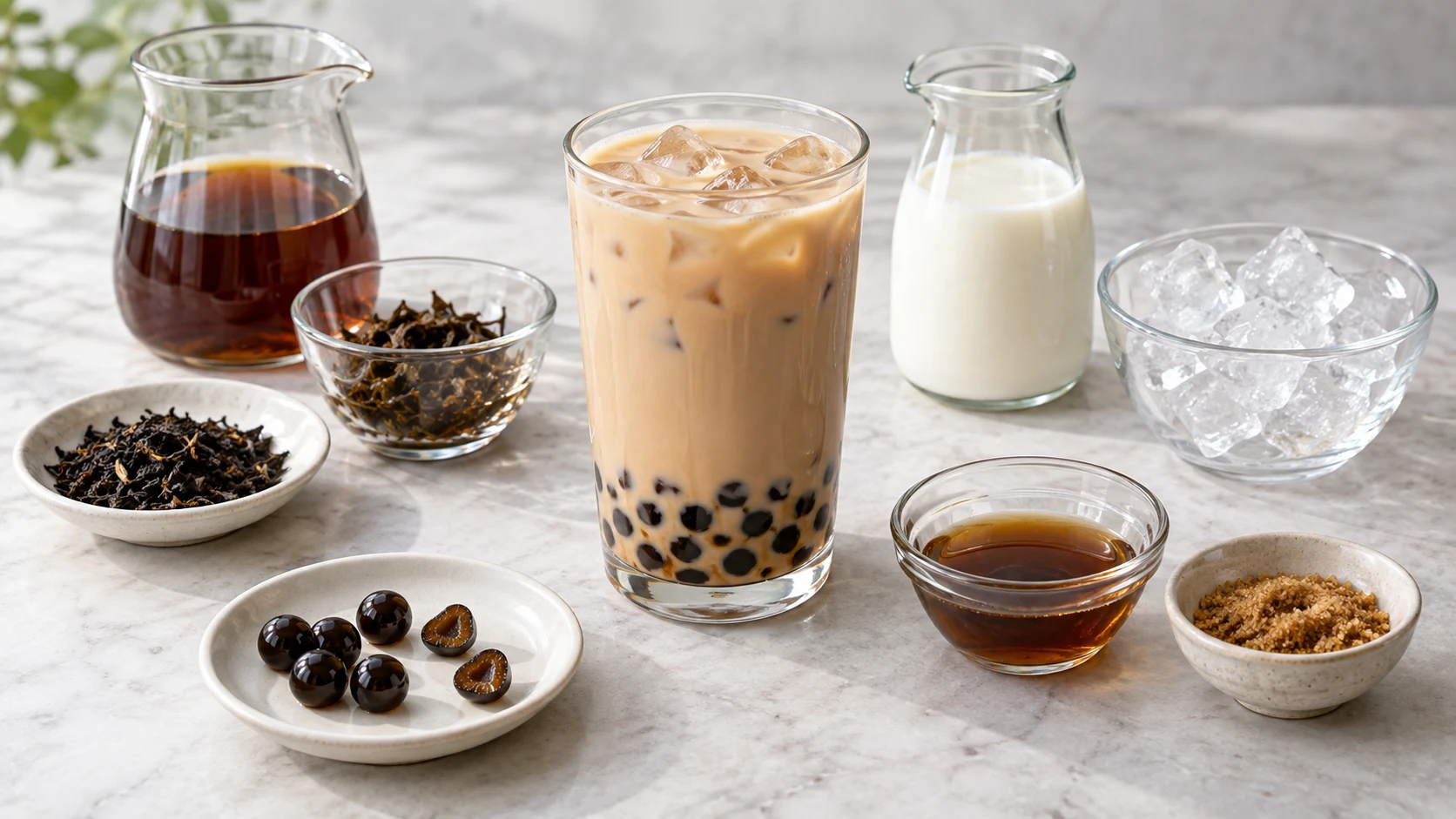
Where to Buy Boba Ingredients: A Practical Home Pantry Guide
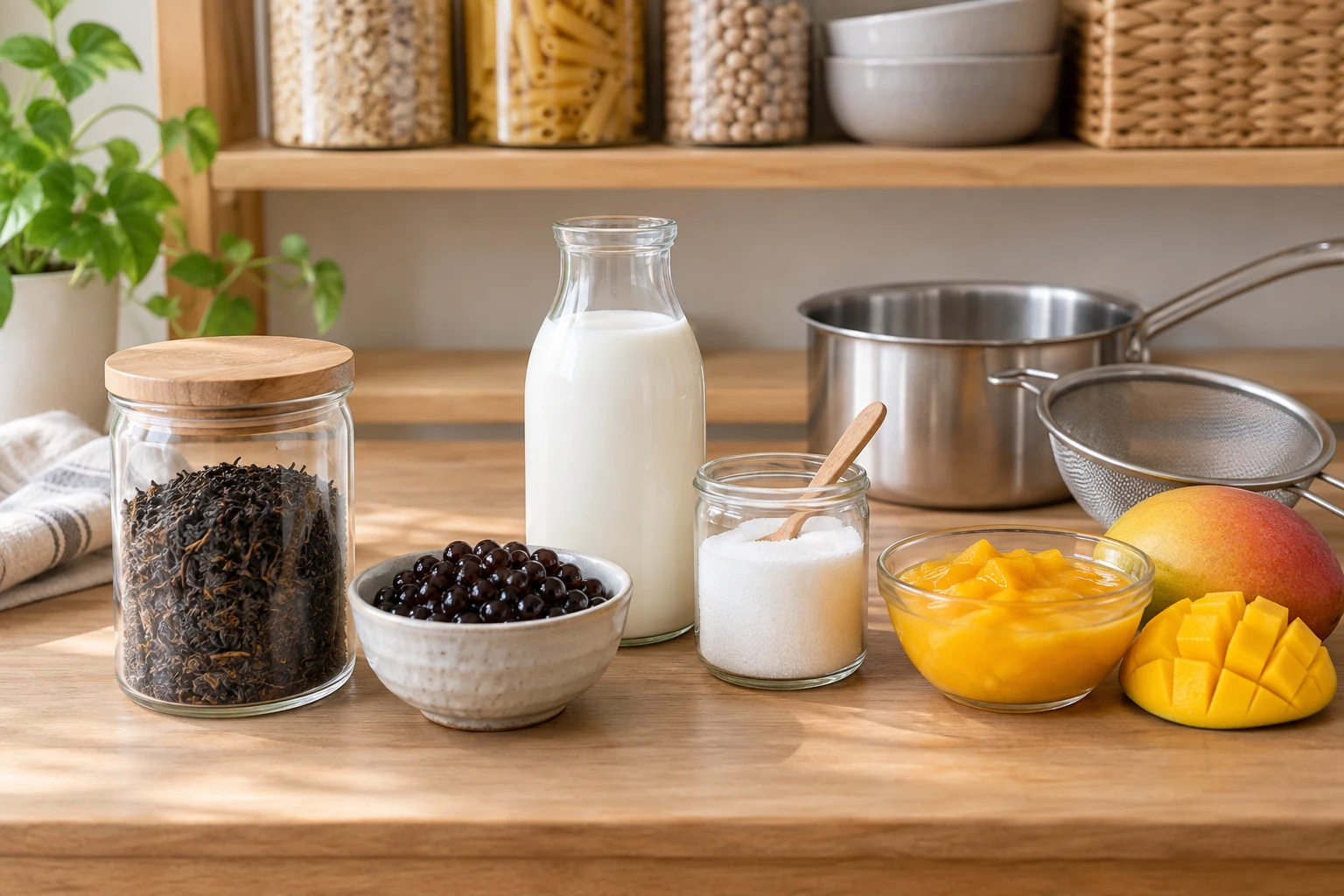
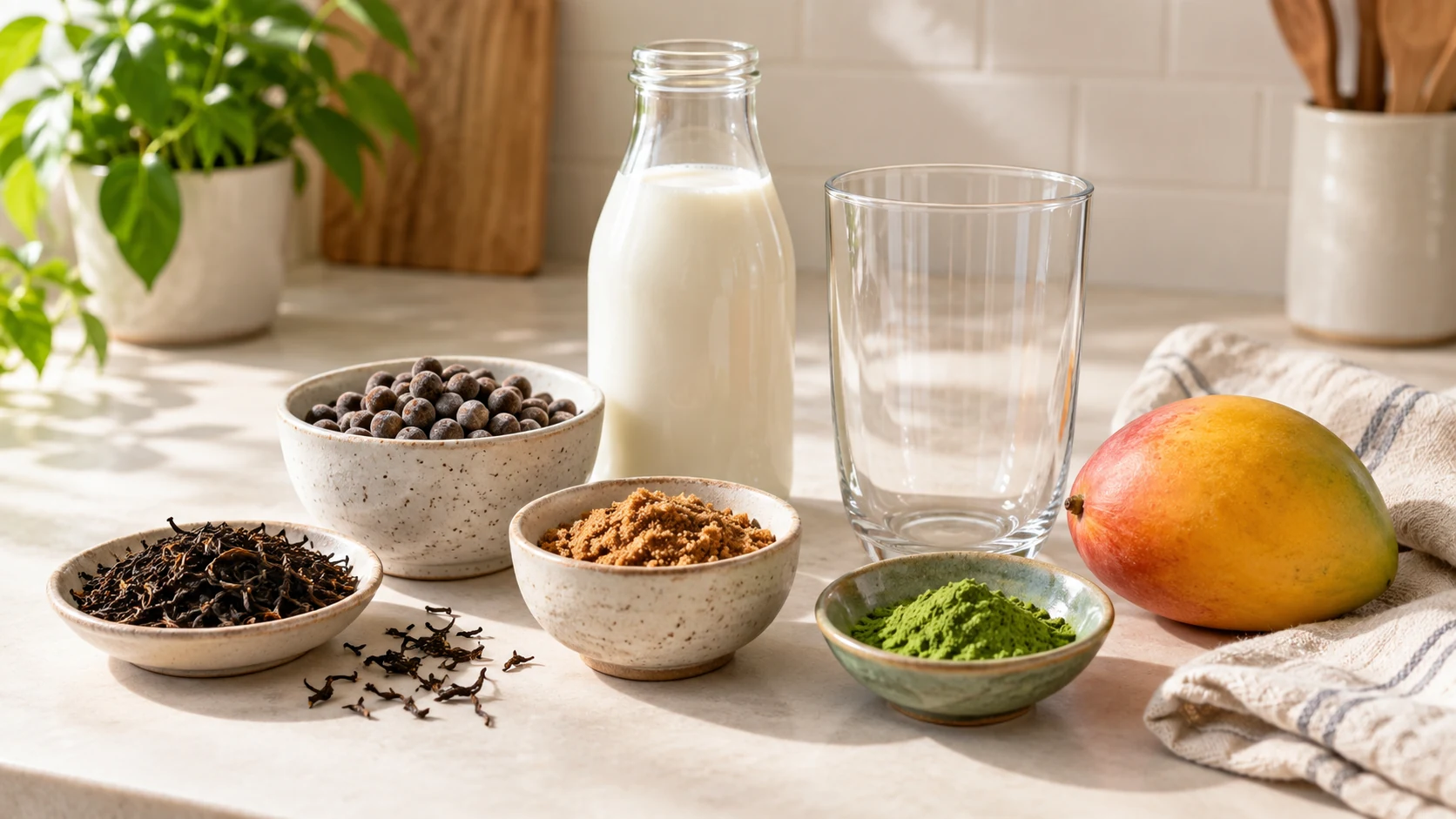
Choose pearls, tea, milk, sweeteners, and shopping channels using package directions, storage needs, and allergen labels.
Browse all 28 recipes and practical guides. Search by ingredient, drink style or the problem you want to solve.
Showing all 28 guides.
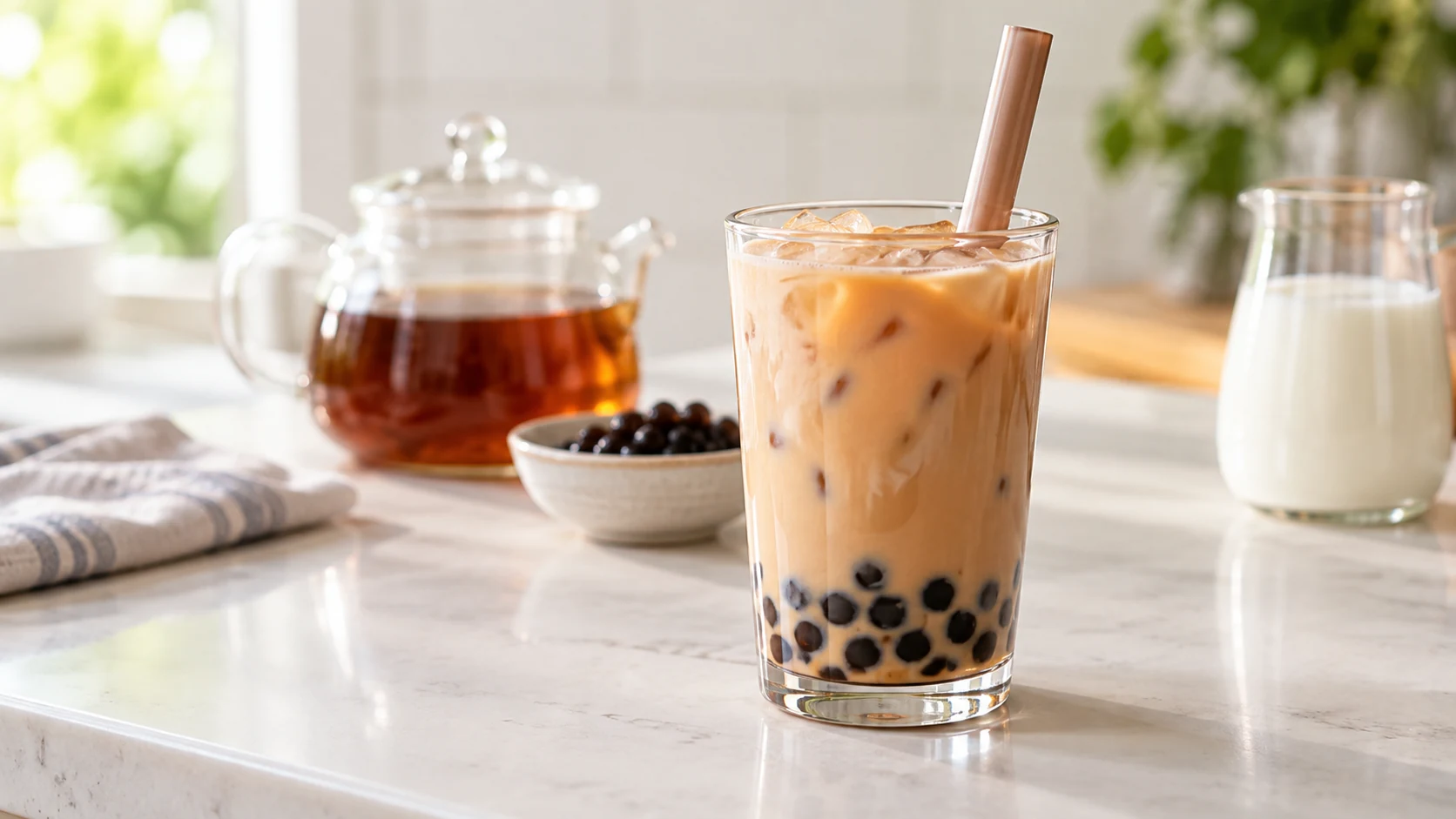
Choose pearls, tea, milk, sweeteners, and shopping channels using package directions, storage needs, and allergen labels.
Make a first bubble tea by following the pearl package, brewing a measured tea base, cooling components, and adjusting one variable.
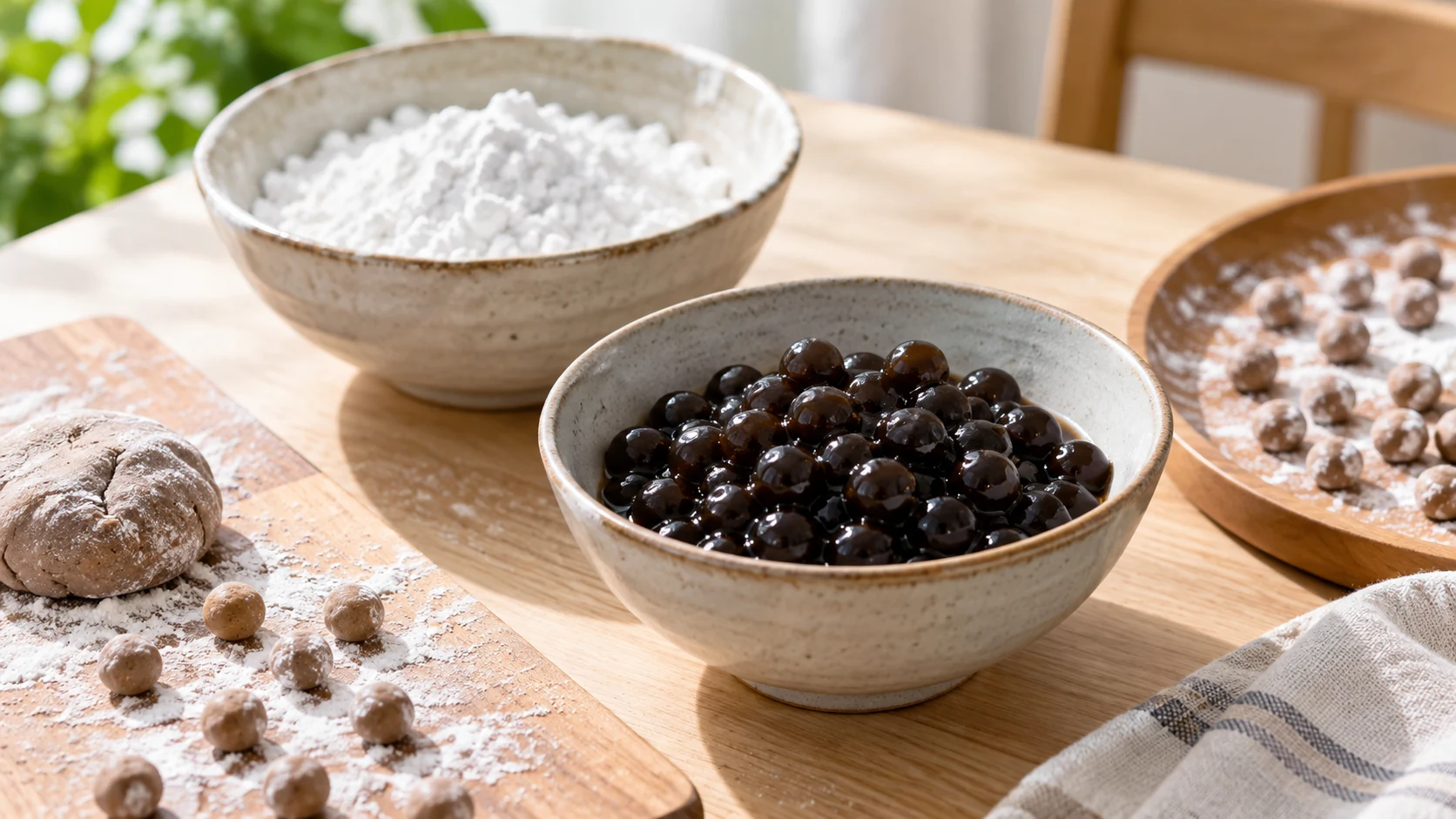
Understand hot dough, consistent shaping, method-specific cooking, brown sugar finishing, and stop conditions for scratch pearls.
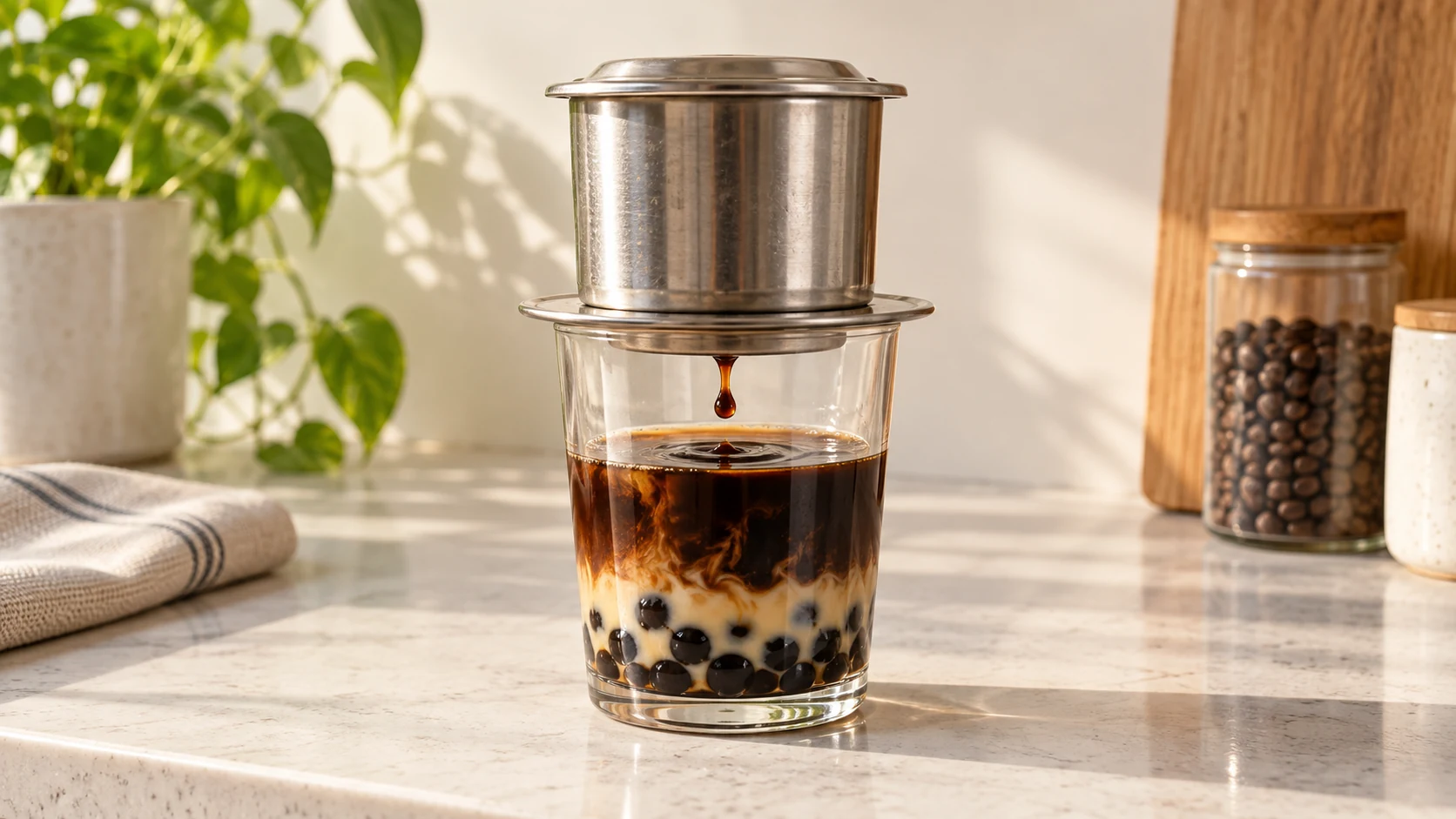
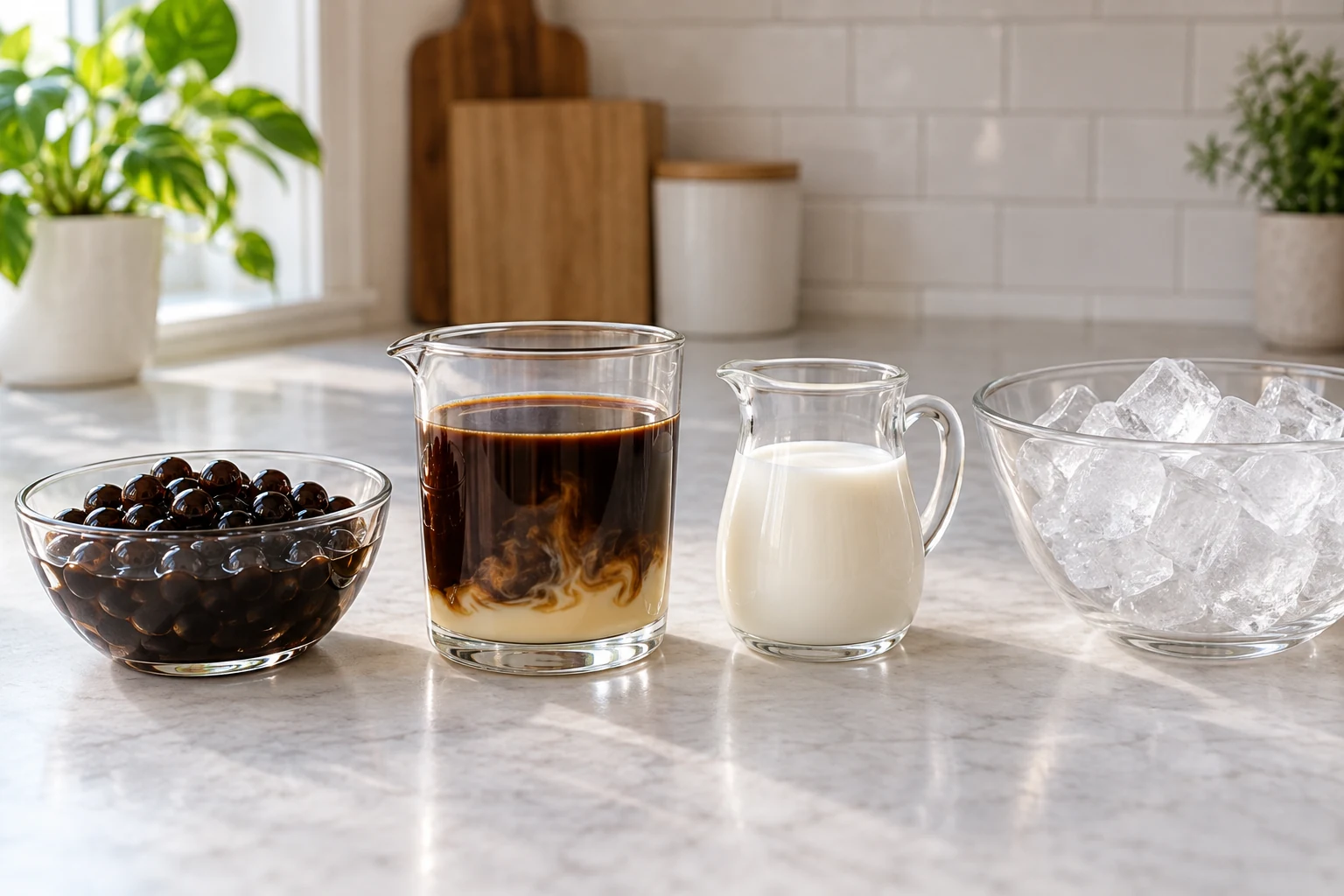
Use measured phin coffee as the foundation for Vietnamese coffee boba, then control condensed milk, pearls, milk, and ice.
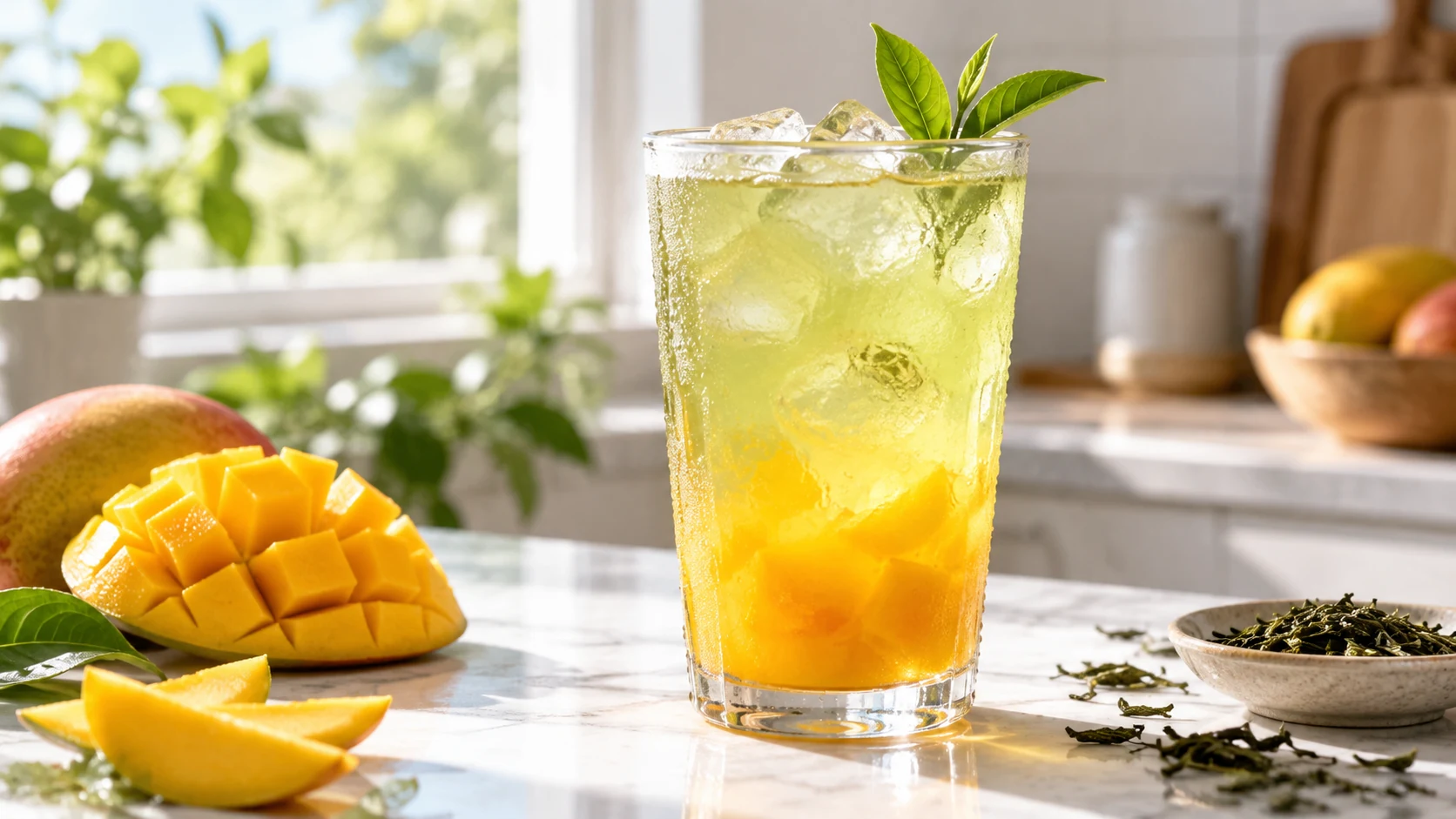
Combine measured green tea and mango puree, then adjust sweetness, acidity, texture, and ice one variable at a time.
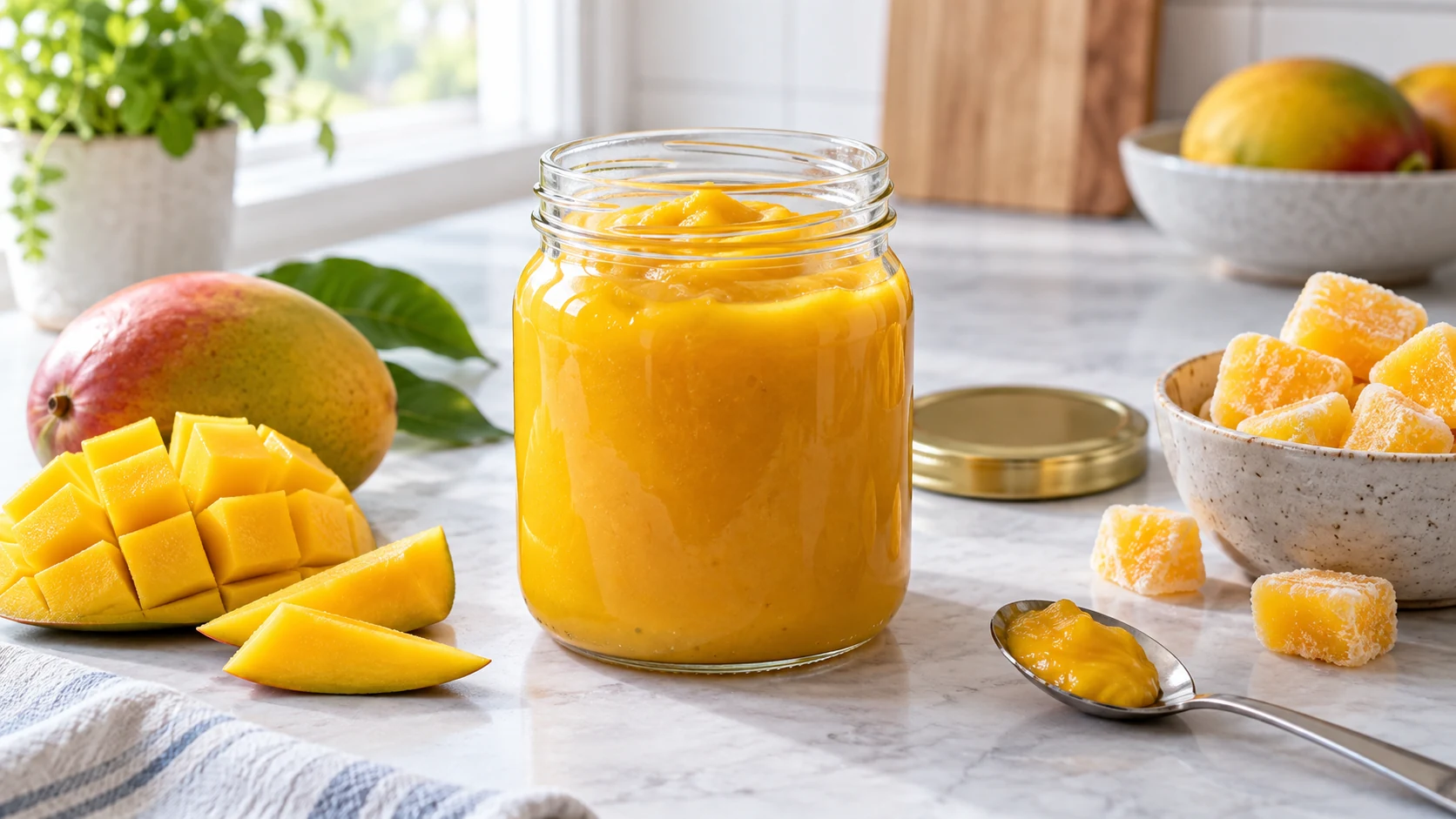
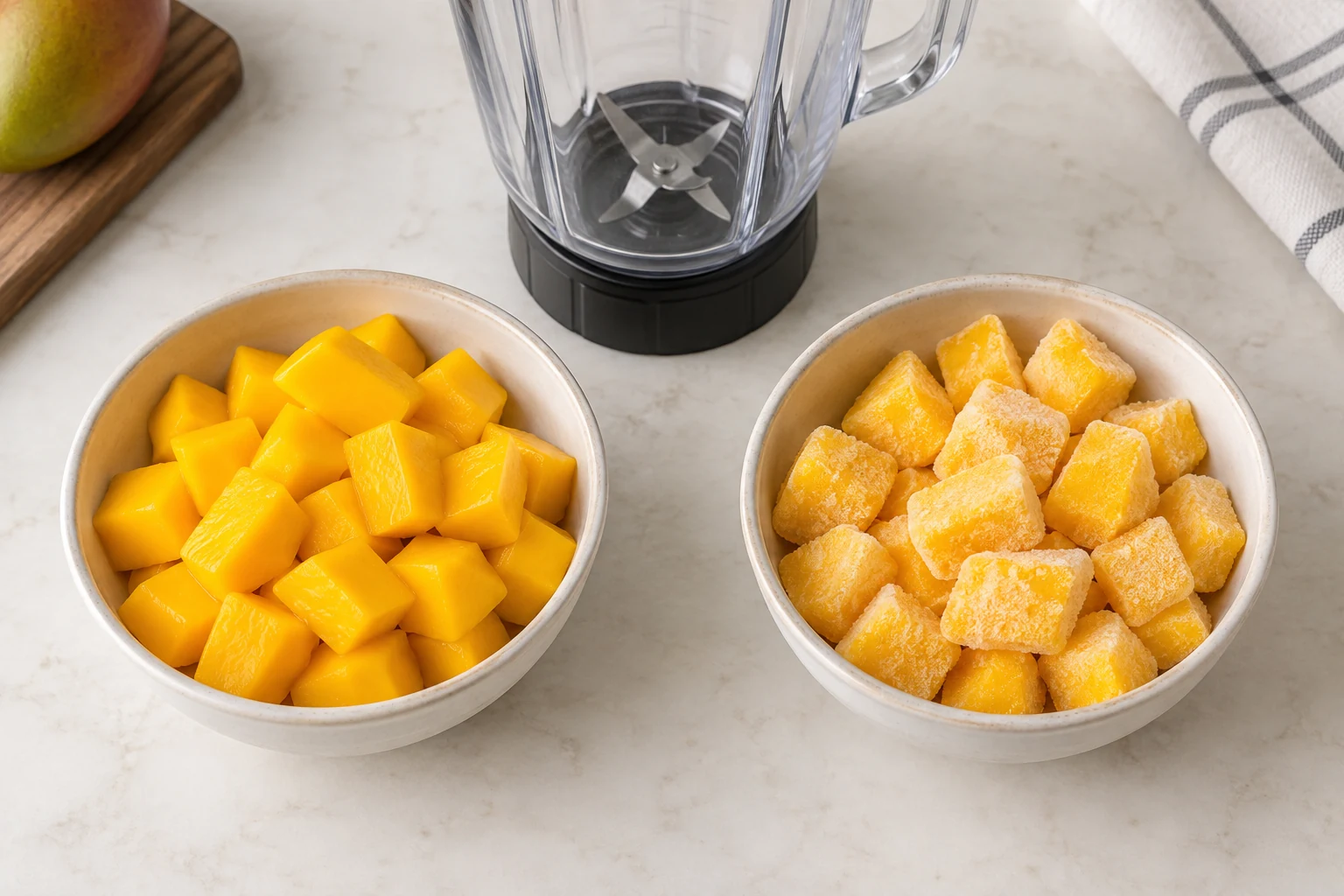
Choose, clean, blend, strain, adjust, label, refrigerate, and freeze mango puree for repeatable boba drinks.
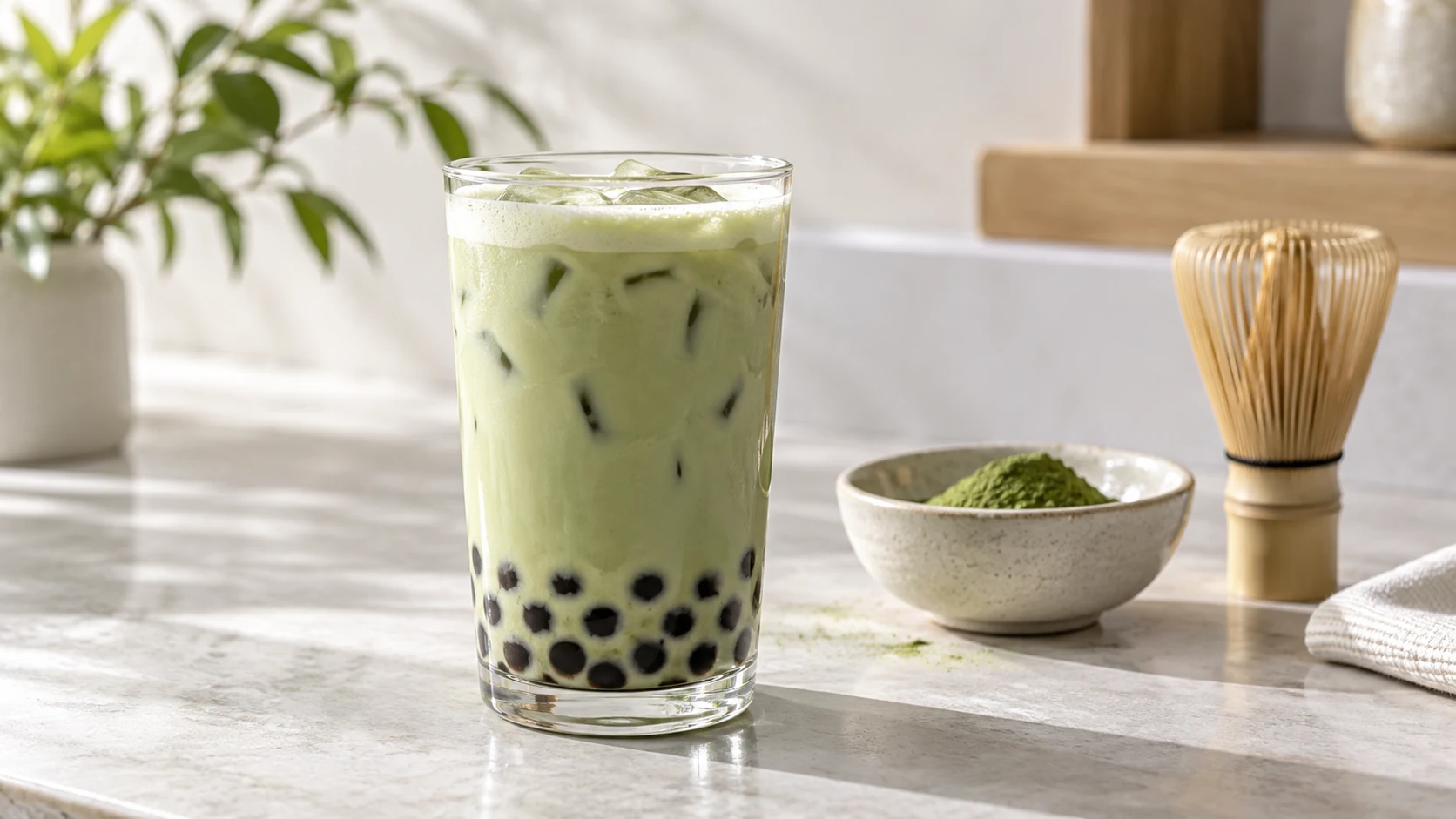
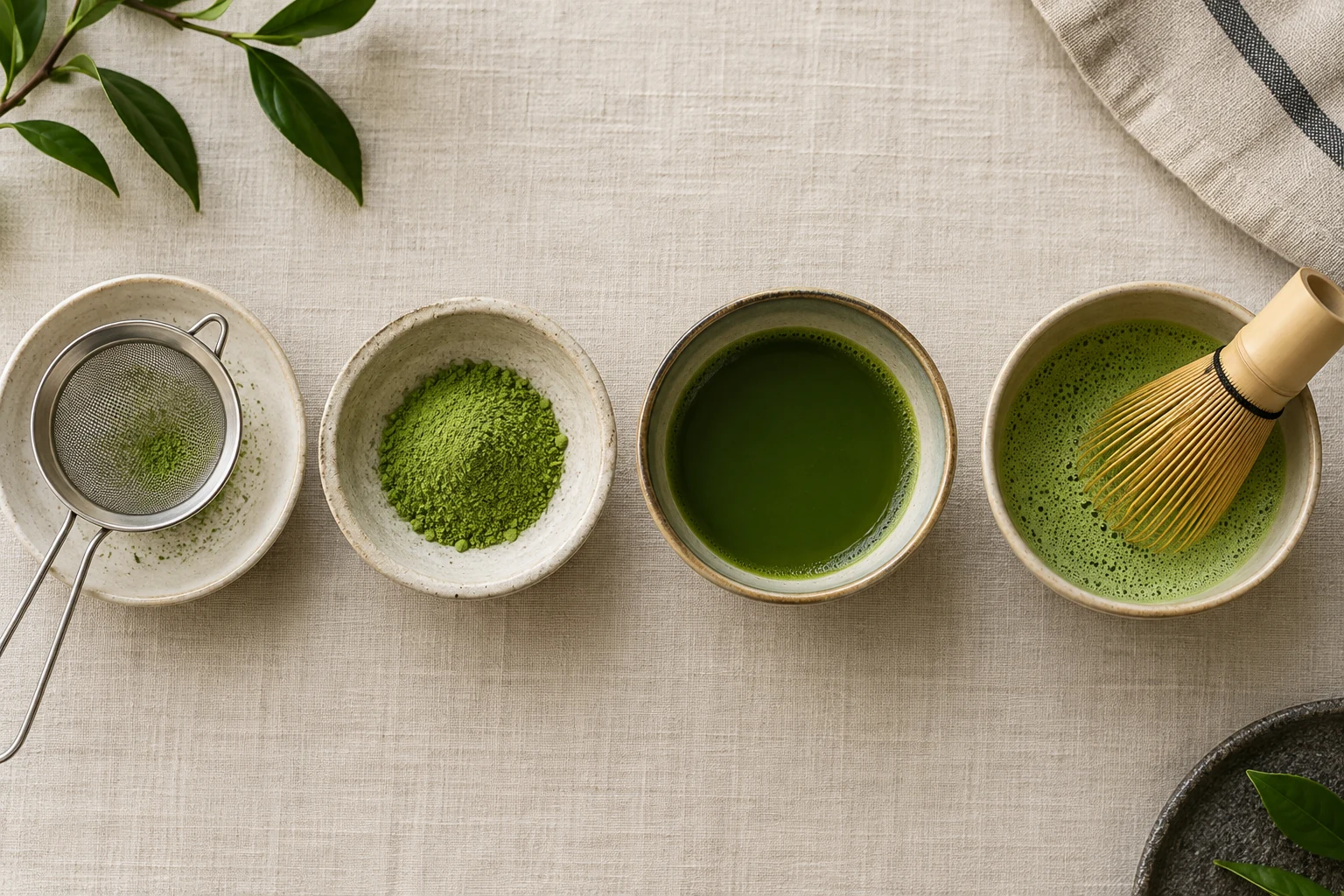
Prevent matcha clumps by sifting and whisking a measured concentrate before adding milk, pearls, sweetness, and ice.
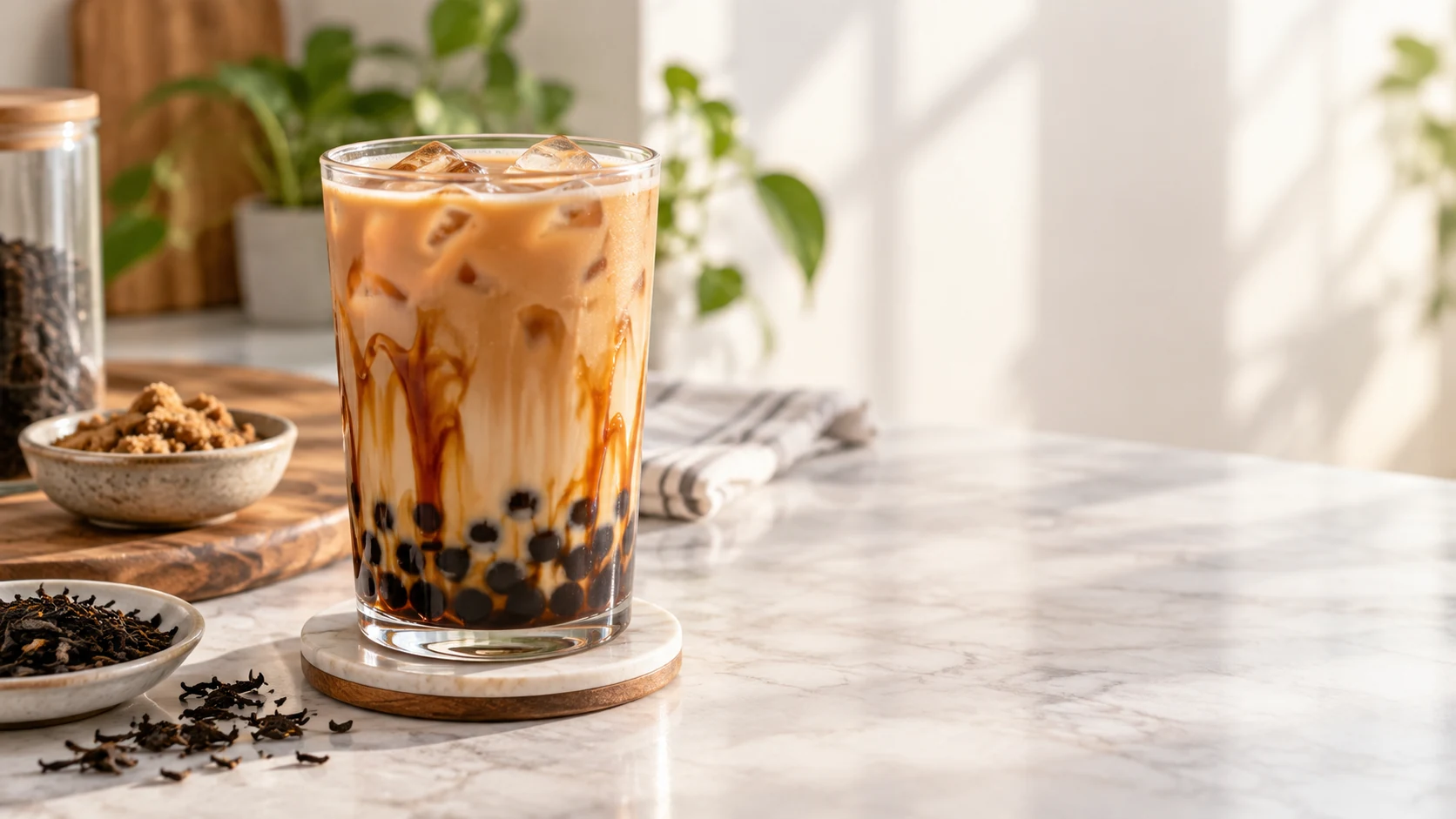
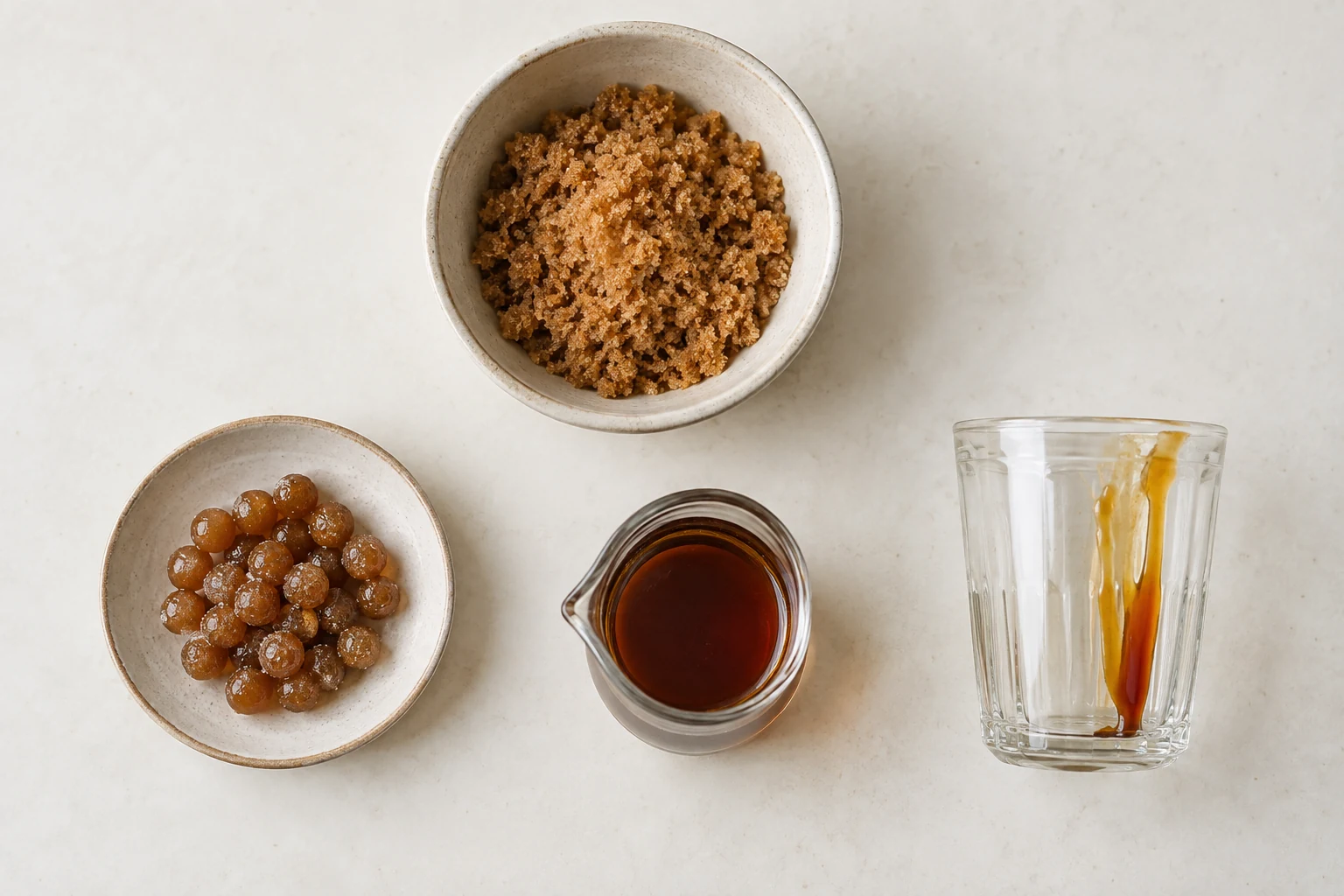
Build brown sugar milk tea by controlling tea strength, pearl coating, syrup, milk, and ice as separate variables.
Diagnose hard pearls, bitter or weak tea, watery drinks, separated milk, and settling matcha before changing the next batch.
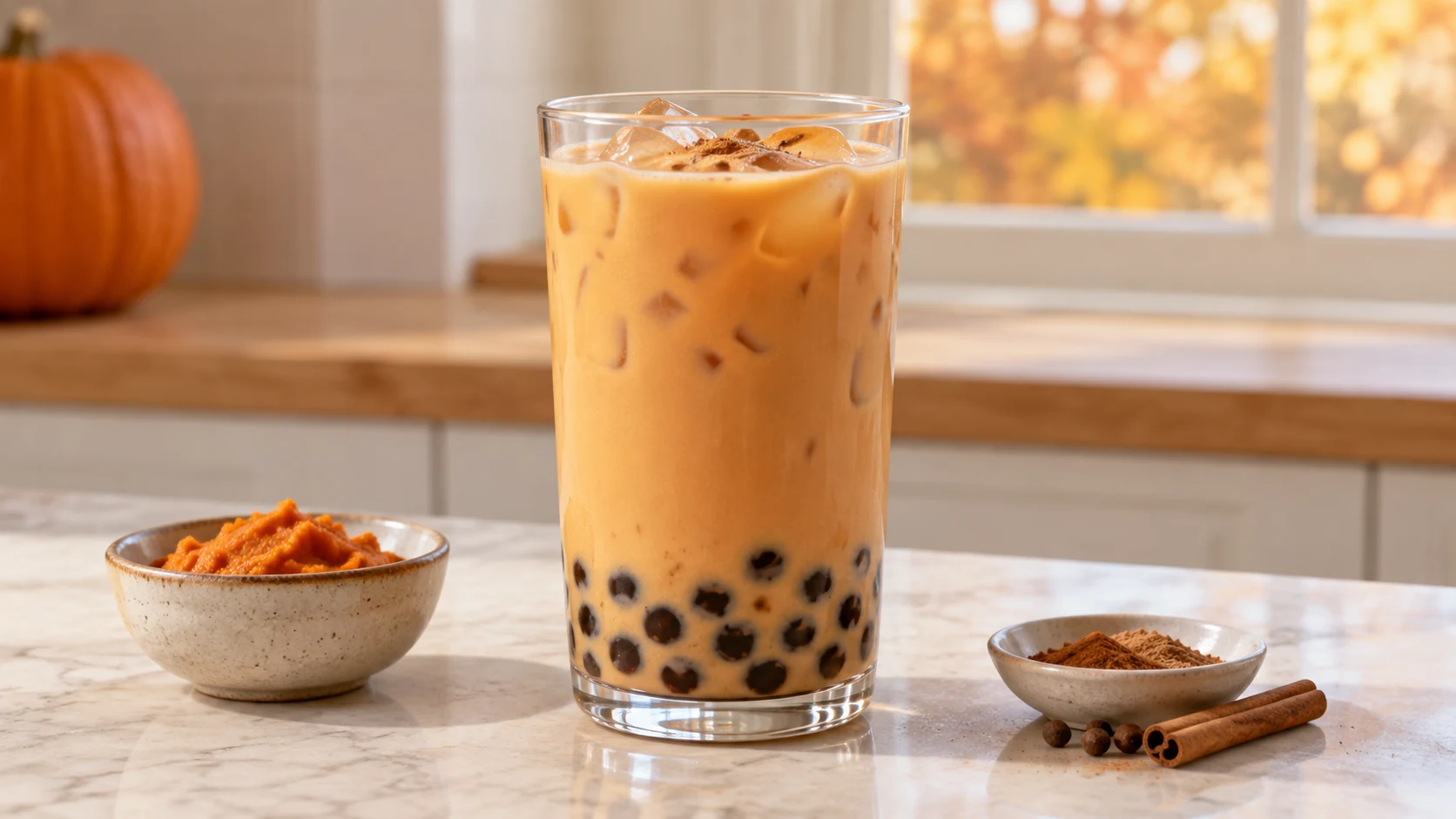
Make pumpkin spice boba by adjusting plain pumpkin, spice, tea, milk, sugar, pearls, and ice independently.
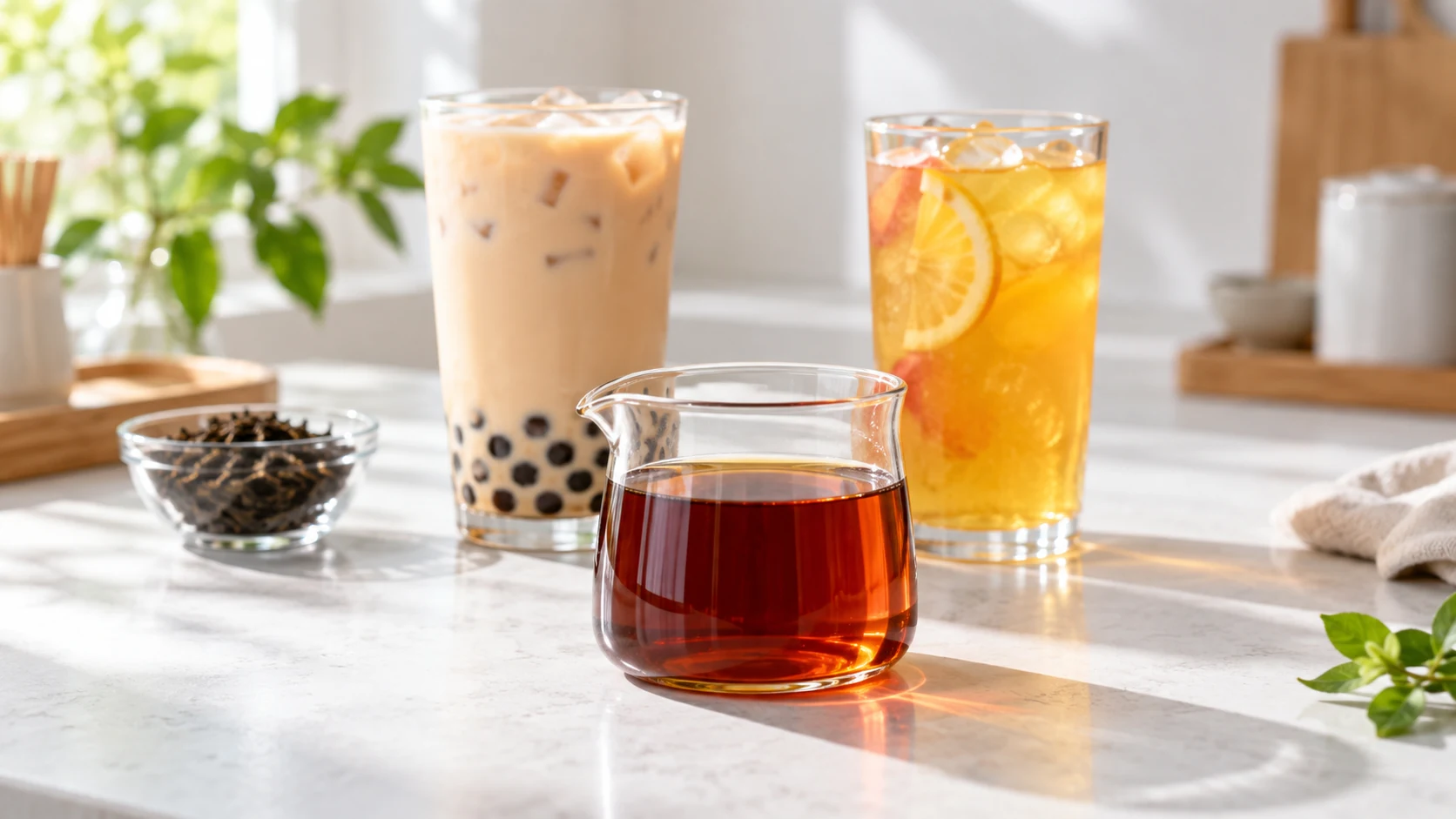
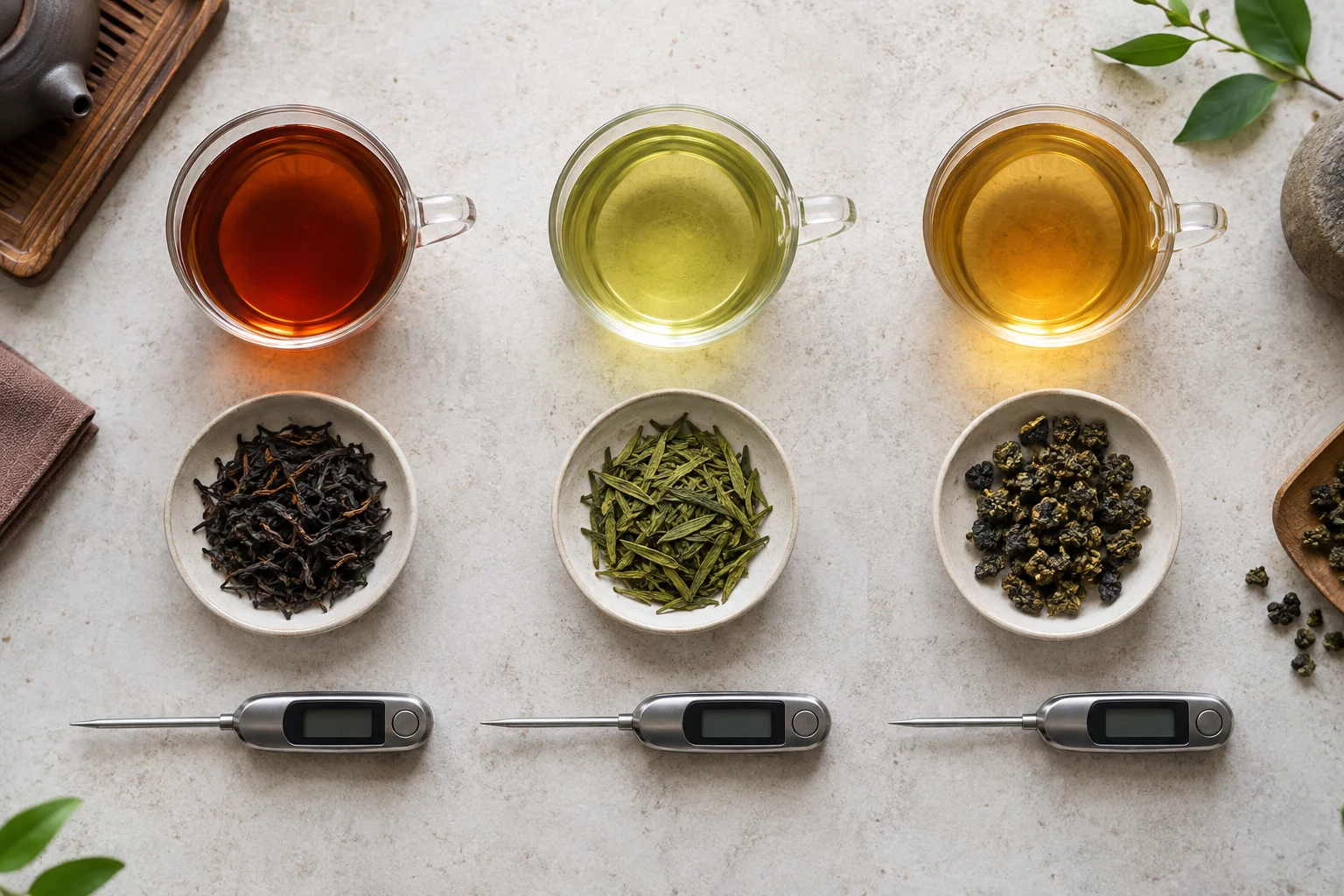
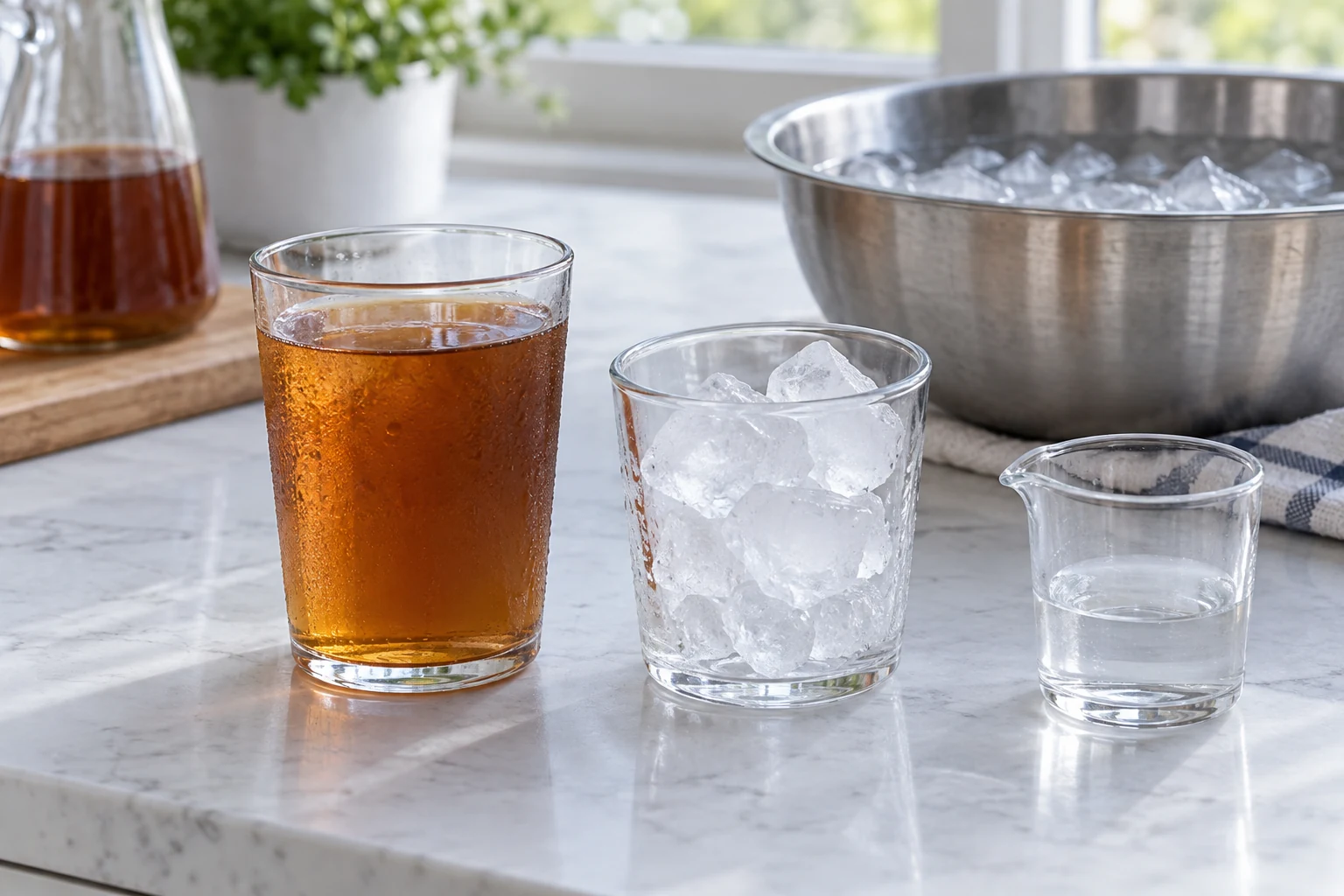
Plan tea strength, temperature, steep time, cooling, and dilution for repeatable milk tea and fruit tea bases.
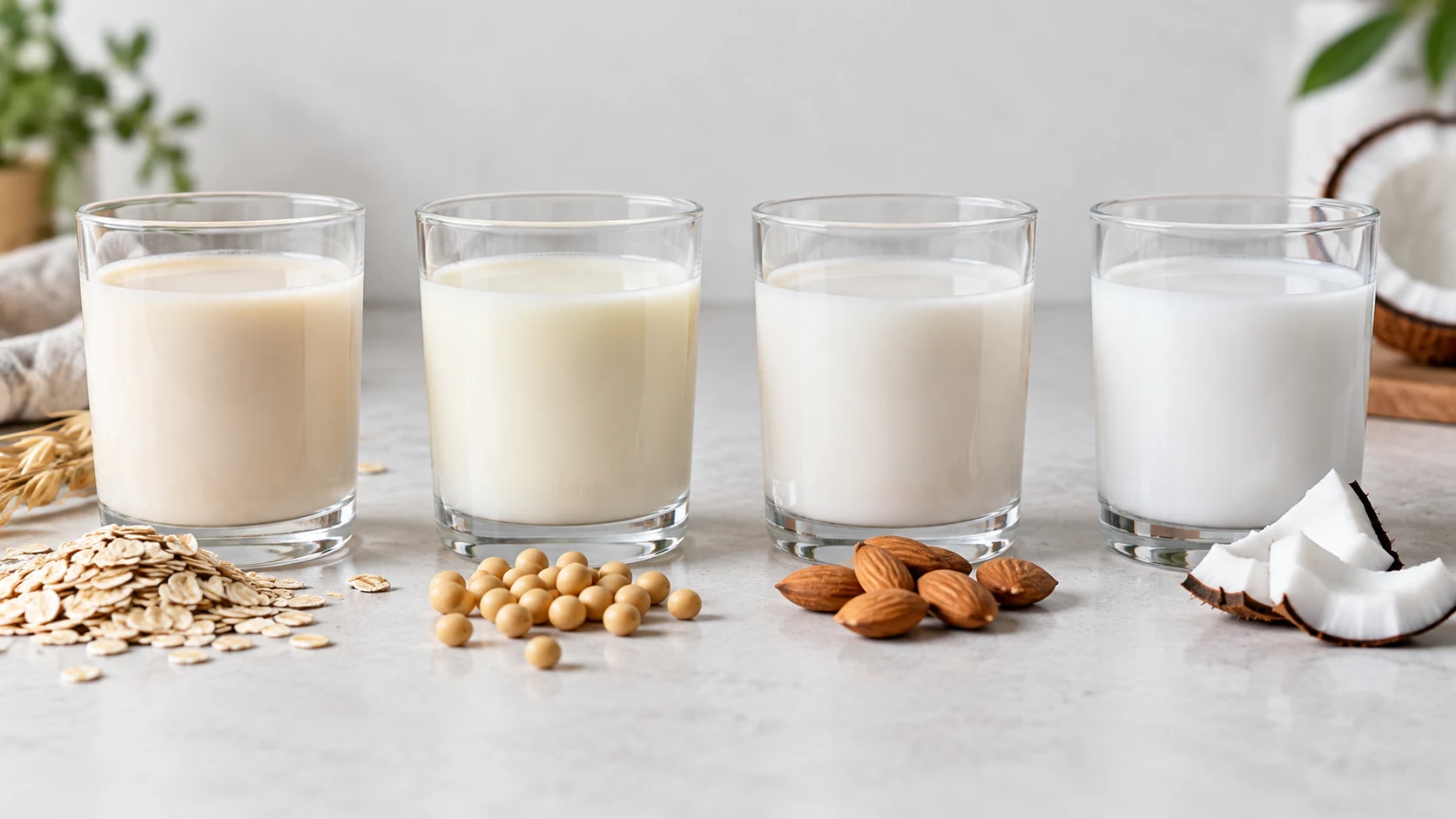
Compare plant milks by sweetness, body, protein, ingredients, allergens, and the role they need to play in bubble tea.
Work through tea dilution calculations, ice-melt assumptions, and batch yields without confusing dry leaf amounts with measured concentrate strength.
Choose between tea bags, sachets, and loose tea by comparing dry weight, filtering equipment, and the cost of your actual milk tea portion.
Calibrate a cup with weighed water, allow for pearls and ice, and scale the liquid recipe to a practical fill line.
Choose a practical package size, follow brand-specific cold-storage advice, and keep an open matcha tin protected from moisture and odors.
Make a coffee boba substitution with decaf coffee while checking serving size, other caffeine sources, milk, and sweetener.
Use grams to compare syrup concentrations, calculate equal-sugar portions, and keep sweetener adjustments repeatable.
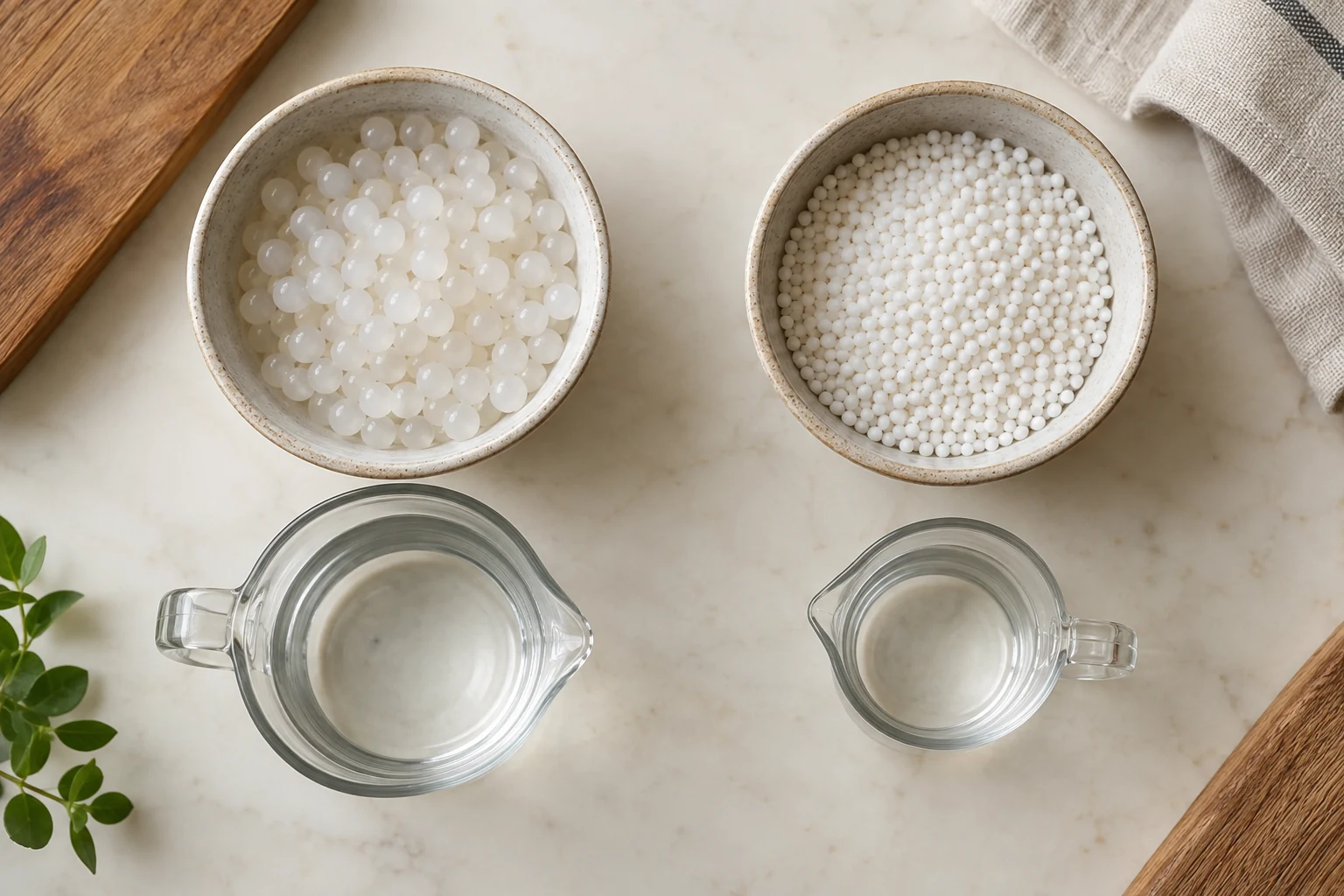
Compare the bite, package directions, sweetness, and usable servings before choosing a bubble-tea topping.
Use product-specific agar instructions, distinguish powder from flakes, and assess a small set jelly before adding it to cold tea.
Choose a frozen-fruit preparation path that fits its label, local food-safety advice, your blender, and the texture of your tea.
Read the label, separate sweetness from dairy body, and understand why substituting canned milks needs more than an equal spoonful.
Plan portions, refrigerator space, pearl batches, and a short serving window for a small home bubble-tea gathering.
Choose leakproof containers, protect the cold chain, and decide whether pearls belong on a picnic journey.
Organize a home drink station around ingredient transparency and cross-contact precautions without promising an allergen-free kitchen.
Build a no-ice milk tea around your mug size, tea strength, fresh pearls, and suitable hot-drink equipment.
Read total and added sugars, scale labels to your actual ingredient portions, and avoid double-counting a homemade drink.
Use unsweetened cocoa as a separate flavor ingredient, build a hot-water paste, and balance tea, milk, and measured sweetener.
No guides match this search. Try a single ingredient or browse every guide.
With your permission, Google Analytics uses cookies to help us understand visits. You can read every guide without accepting. Change or withdraw your choice here at any time. Privacy Policy